The competing documentaries are holding their world, international, or European premiere in the Festival, and have their eyes set on the Festival’s official awards, as well the independent awards, most of which are accompanied by cash prizes. The International Competition Golden Alexander winner will automatically be eligible to submit for Academy Awards® consideration in the Documentary Feature category. The 28th Thessaloniki International Documentary Festival will be held from 5 to 15 March, both in physical spaces and online.
The 38 documentaries in the competition sections — including 9 Greek productions — form a dense and multilayered body of work, drawing strength from the intersection of the personal and the collective. Coming-of-age stories, narratives of loss, memory, and family bonds enter into dialogue with urgent social questions surrounding power, inequality, emancipation, the ecological crisis, and technological transformation. With a gaze fixed both on the ruptures and traumas of History and on the fragile textures of everyday life, these films seek to listen closely to the forces that shape us and to reconsider humanity’s place in a rapidly changing world.
International Competition
The fourteen films taking part in the International Competition of the 28th Thessaloniki International Documentary Festival (March 5-15, 2026) will be vying for a series of prizes, among them the Golden Alexander, accompanied by a cash prize of 12,000 euros, and the Silver Alexander, accompanied by a cash prize of 5,000 euros. TiDF is an OSCAR® qualifying festival and the film that wins the Golden Alexander award will automatically be eligible to submit for Academy Awards® consideration in the Documentary Feature category.
This year, the International Competition Jury members are Dana Bunescu (film editor), Caroline Libresco (curator, programmer, producer, and creative executive), and Yorgos Papalios (film producer).
Here’s the lineup of the International Competition:
Bugboy, Lucas Paleocrassas
Greece-Denmark-France, 2026, 88΄ (World premiere)
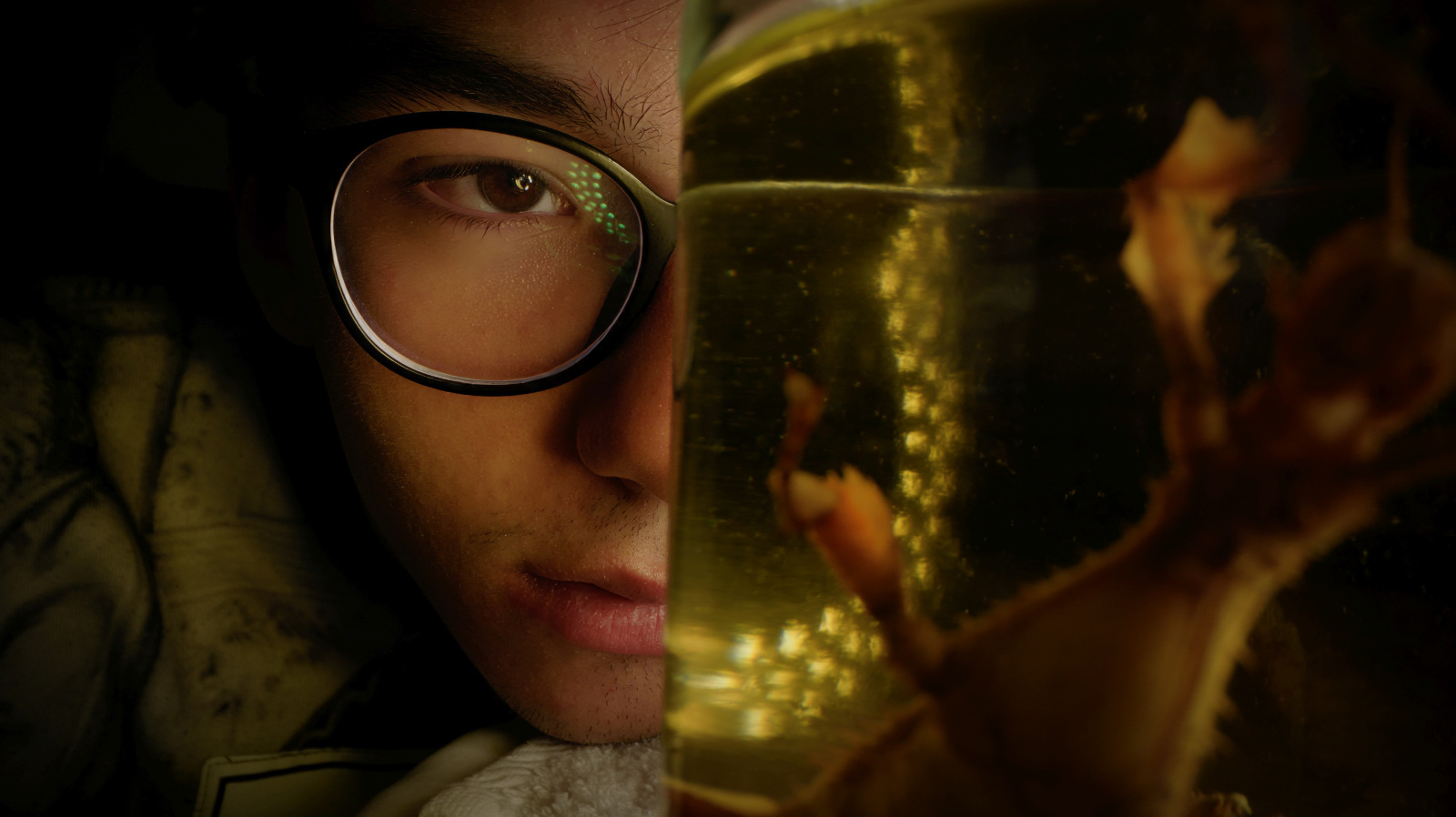
George, a shy teenager with misaligned eyes, struggles to connect with others after his parents’ divorce. Finding refuge in the world of insects, he bonds with a cricket named Isabella. Through a portrait of transformation and self-discovery, the film reminds us that even the smallest creatures can help us find where we belong.
The Golden Grip, Fokion Bogris
Greece, 2026, 94΄ (World premiere)
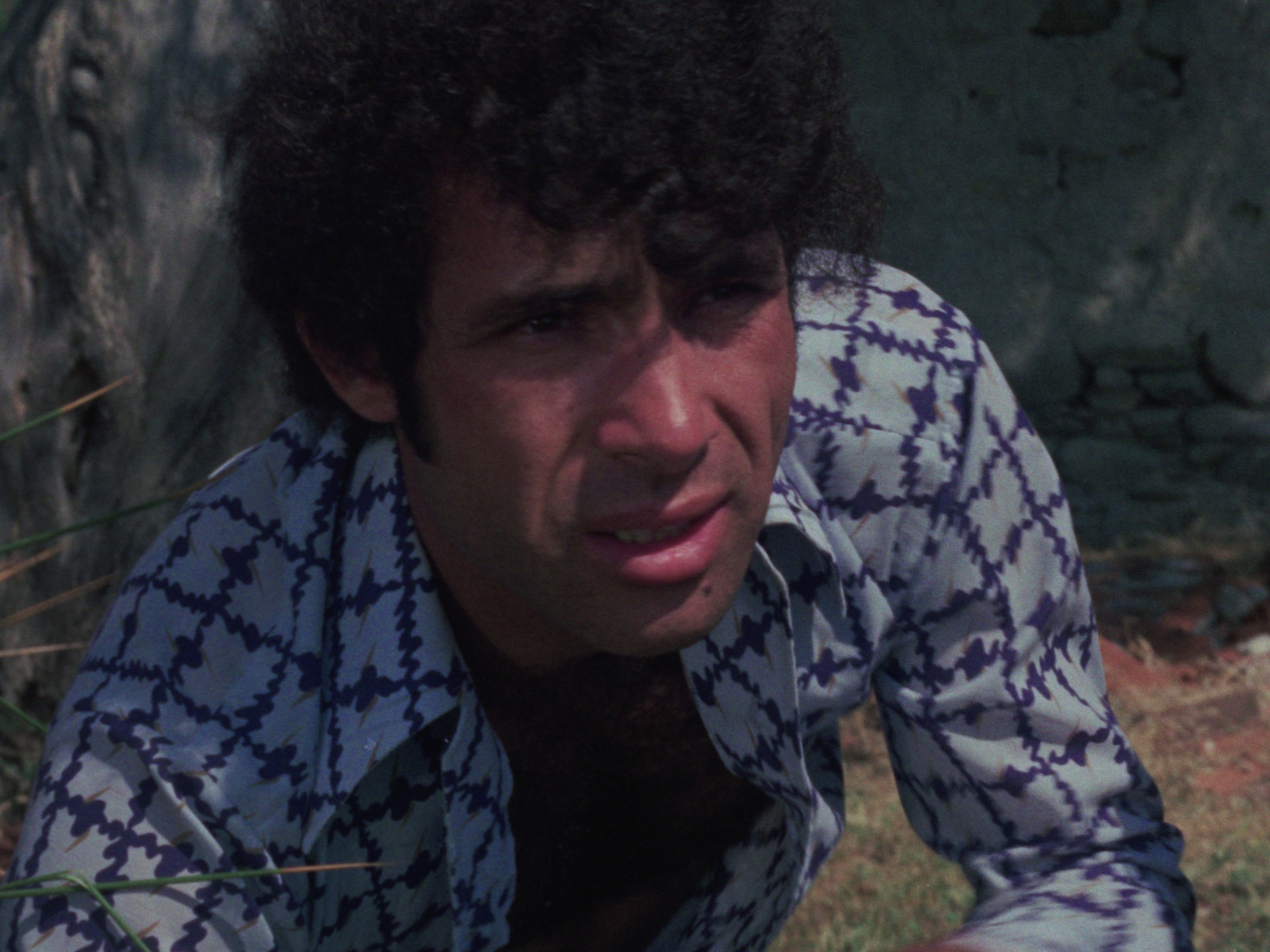
In the mid-1960s, Kostas left his village in Crete dreaming of becoming a star. His rugged physique and humble background afforded him only small “tough-guy” roles, yet in numerous Greek films – from big studio productions and renowned auteur masterpieces to low-budget exploitation films alike. By placing a support actor at centerstage, the film traces five decades of Greek cinema.
The Way Elsewhere, Eirini Vourloumis
Greece, 2026, 82΄ (World premiere)
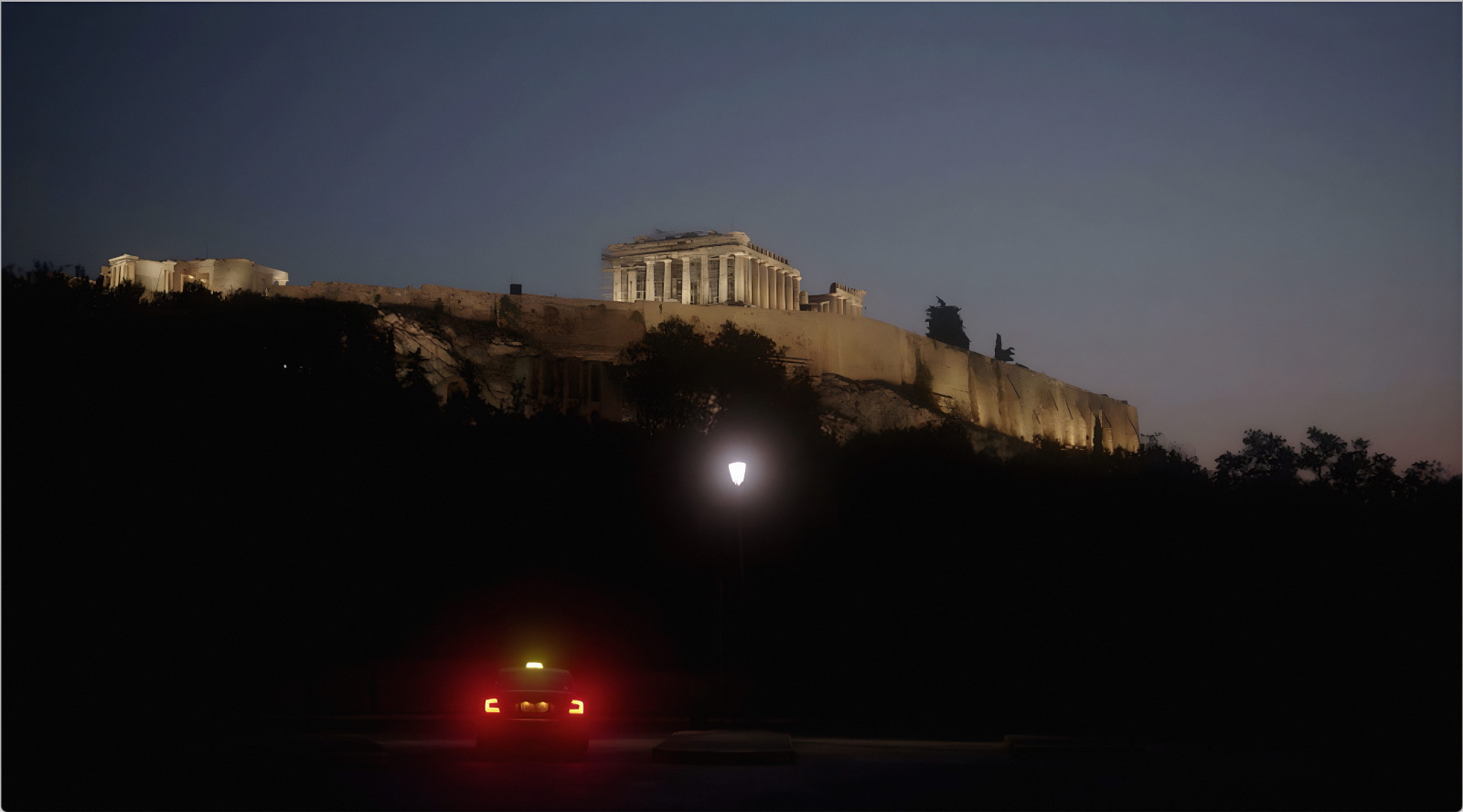
A portrait of Athens told through the lives of three veteran taxi drivers who move through the city as quiet dreamers. Konstantinos is approaching retirement after half a century behind the wheel, and begins each shift with a private ritual beneath the Acropolis. Sunny, a Nigerian actor and family man, drifts between faith, fatigue and a desire to return to artistic expression. Yorgos, an innate performer, sings love songs in small clubs at night. Blending observation with musical sequences, the film inhabits routine, memory and desire in a city shaped by crisis and persistence.
All About the Money, Sinéad O’Shea
Ireland, 2026, 95΄ (European premiere)
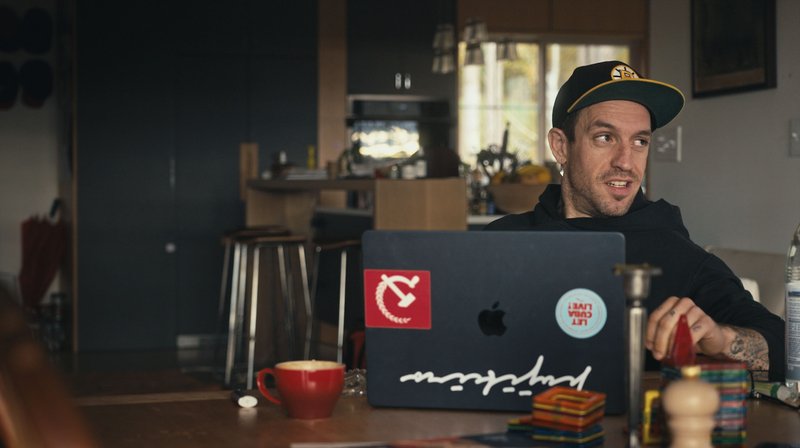
Can the system truly be overthrown from within? Who, if not Fergie Chambers, is better suited to answer such a question? The politically insurgent son of one of America’s wealthiest families, a staunch communist and sworn enemy of the plutocratic environment he was born and raised in, creates a revolutionary base in rural Massachusetts so as to fight against capitalism from within. With a subversive spirit and remarkable directorial finesse, the riveting All About the Money attempts an incredibly fascinating (and extremely alarming) study of the power and financial structures that dominate the modern world, while simultaneously outlining the portrait of a figure as mesmerizing as it is riddled with contradictions. Never before has the dream of a better, fairer world been a matter of concern for one of its natural, at least from a class-conscious, Marxist standpoint, opponents.
Around Paradise, Yulia Lokshina
Germany, 2026, 122΄ (International premiere)
Lost in the untouched landscapes of Paraguay, a strange community of Europeans attempts to build an enclosed “paradise,” far from everything they consider as decay in the modern world. Conspiracy theorists, right-wing extremists, and all sorts of eccentric people arrive in the community, whose founder and leader is a shrewd German man. Crafting the portrait of the community’s leader and tracing the stories of both the settlers and the Paraguayans around the sect that presents itself as a utopia, Around Paradise is an insightful film that – upon indirectly and allusively casting light on the so-called paradise through dark humor and a metaphysical lens – addresses a number of pressing issues of our time: from the rise of the far right and its historical roots to modern colonialism through the economy and digital technology. Unsettlingly revealing and with masterful aesthetics, Yulia Lokshina’s brilliant documentary stays etched in memory long after the end credits.
Birds of War, Janay Boulos & Abd Alkader Habak
UK-Syria-Lebanon, 2026, 85΄ (European premiere)
As civil war engulfs Syria, two young journalists begin collaborating remotely, exchanging text messages and voice notes to document the conflict. Abd captures stories from the ground, risking his life to film the war, while Janay shapes his footage from London, where she has lived since leaving Lebanon. Gradually, their professional relationship evolves into an intimate bond, despite never having met in person. Drawn from a remarkable archive spanning 13 years of revolution and war, the film reveals a love story shaped by distance, risk, and shared purpose. At the same time, it offers a powerful reflection on journalism, exposing the limits of news coverage and revealing the deeply human stories that exist beyond the headlines.
Candidates of Death, Maciej Cuske
Poland, 2026, 90΄ (World premiere)
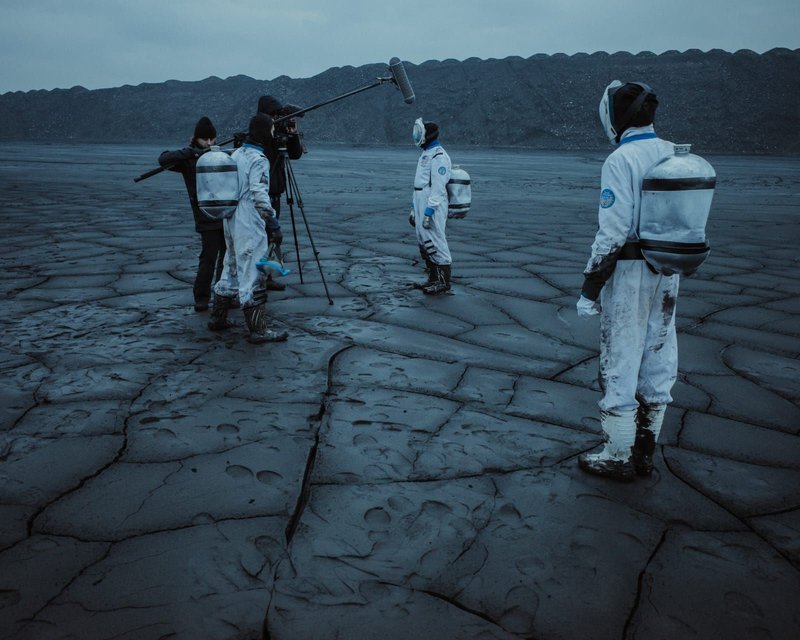
A father goes on holiday with his son and two of his friends, during which time they make an amateur horror film together. As the years pass, they continue to shoot scenes for their “handcrafted,” carefree, imaginative horror project, with even more passion, dutiful consistency, and unwavering commitment: the documentary chronicles a decade of this beautiful adventure, as Maciej and the kids become a group of people who grow up… and yet somehow still manage to grow younger together. An unexpected blend of documentary and coming-of-age film unlike any other; it’s as if the kids from Stand By Me decided to make a thriller, alongside a dad-director who refuses to grow up. The making of such a film would look a lot like the funny, tenderly melancholic, and wonderful Candidates of Death.
Closure, Michał Marczak
Poland-France, 2026, 108΄ (European premiere)
Shortly before dawn on May 27, 2023, 16-year-old Chris sneaked out of his house and took a bus to Warsaw. A closed-circuit camera captured images of him standing for twenty consecutive minutes on a central bridge in the city, silently looking out over the water. When the camera returned to the same spot a few moments later, Chris was gone. Daniel, Chris’s father, has been searching for him ever since, along the banks of the Vistula River, improvising methods and means of investigation. Mapping out a hypothetical path of loss and suicide, Daniel becomes a timeless and yet contemporary tragic hero, struggling to unearth answers to questions doomed to remain unresolved. A heart-wrenching journey through unfinished mourning and undying sorrow, with the unattainable promise of closure as its final destination.
Derek vs Derek, James Dawson
UK, 2026, 88΄ (World premiere)
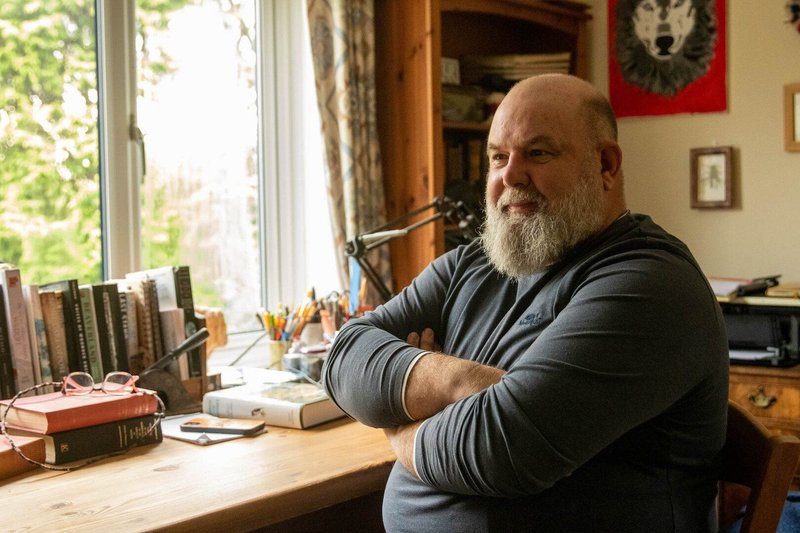
On a country road in Devon, England, live two implacably opposed neighboring farmers, both called Derek. One believes in intensive farming of his land so that food can be produced in abundance; the other is creating an oasis for nature on his land, driven by an entirely different perception of agriculture and a farmer‘s duties. A wonderful ecological documentary that juxtaposes two wholly opposing approaches to farming, introducing us to two characters who share the same name, and whose constant clashes you’ll never tire of watching. The exquisite film, Derek vs Derek, raises pressing environmental issues, while conducting an exquisite study of idiosyncrasies at the same time, free of any pretension, though full of humor and substance. Two Dereks, two perspectives, two ethical outlooks, and even perhaps two Englands, situated side by side, yet at odds, whose (on-screen) coexistence proves to be quite a delight!
La Pietà, Rafa Molés & Pepe Andreu
Spain-Iceland-Lithuania, 2026, 82΄ (World premiere)
At the foot of Europe’s largest glacier, seven Icelandic siblings once lived in deliberate isolation, dedicating their lives to observing ice and nature long before climate change had a name. Their abandoned farmhouse becomes a living archive, animated by photographs, objects, and a 16mm film that restores gestures, spaces, and a vanished way of being in the world. Blending observational filmmaking with found footage, Rafa Molés and Pepe Andreu, the duo behind the 2020 unforgettable Icelandic story of Lobster Soup, return to the Arctic North to craft a poetic, contemplative elegy in which time, memory, and matter converge. The glacier – now wrapped in vast white shrouds in a desperate attempt to slow its melting – emerges as both subject and body, altar and loss. La Pietà is a quiet yet devastating meditation on ecological grief, reverence, and the belated effort to protect what once shaped our existence.
Nuisance Bear, Gabriela Osio Vanden & Jack Weisman
USA-Canada, 2026, 90΄ (International premiere)
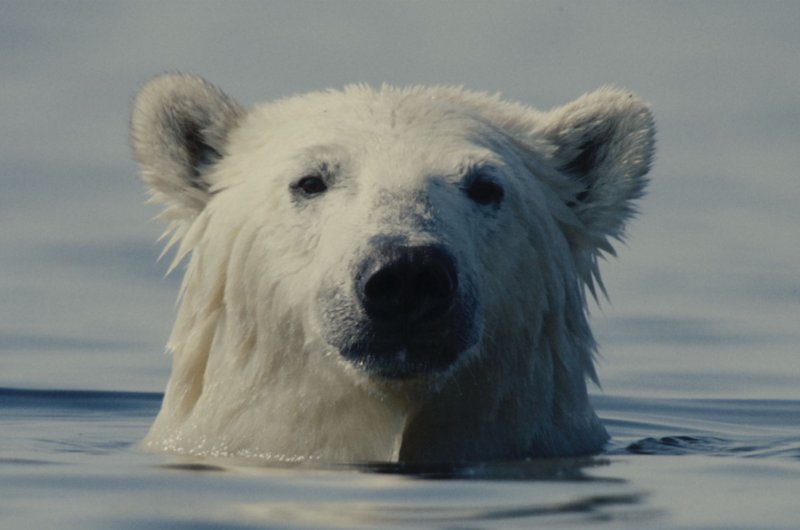
“I’ve never told this story. It might seem simple, but each story is a labyrinth that leads us somewhere we’ve never been”: Thus, an elderly Inuit begins recounting the story of his homeland: Churchill, Manitoba, Canada, “the Polar Bear Capital of the World,” where thousands of large animals wind up following the rhythm of the universe and the formation of ice. As a primordial thread lyrically and melancholically unfolds, intertwining the human and the non-human, a “disturbing” presence disrupts a vast landscape that has already been altered by human intervention – overtourism, mining, industrialization, mass settlement, desertification. Reintroducing us to a leading lady we met in one of the most impressive and commercially successful short films of recent years (the titular Nuisance Bear [24th Thessaloniki Documentary Festival, 3rd Evia Film Project]), the directing duo from the fringes of the Arctic circle undermines the human gaze cast upon the planet and proposes a cinema that is, in essence, ecological – an ecosystem where all beings exist in the same way, laughing, hurting, wondering, and looking for food for the next day.
Soap Fever, Inka Achté
Finland-Sweden, 2026, 78΄ (World premiere)
With the Soviet Union’s dissolution dragging down the economy of neighboring Finland, the Scandinavian country was plunged in a period of protracted recession. And with no recovery in sight, a soap opera offered Finns a respite from the grim reality; the debut of The Bold and the Beautiful on television quickly amassed a vast and dedicated following, whereas the arrival of American idols in the country, on tour, elicited unprecedented frenzy. But beyond providing an indulgent, meta retrospective on the historical impact that the early 90s hit series had on Finland, Soap Fever also examines the circumstances in which the yearning for escapism reaches a breaking point, especially when everything seems bleak.
The Beauty of Errors, Jukka Kärkkäinen
Finland-Norway-Sweden, 2026, 94΄ (International premiere)
Family ties remain one of the most wondrous human mysteries, and the relationship between father and son is a relationship that has it all: tenderness, interdependence, esteem, conflict, disillusionment. Rarely does a film capture all the nuanced subtleties of the bitter, sometimes unbearable reality of the father-son bond, but also the remarkable devotion it requires: in The Beauty of Errors, Jukka Kärkkäinen revisits two figures he introduced in 2009 in his film, The Living Room of a Nation; Tero and his newborn at the time son, Henri. The subtle, yet insightful observation of Tero’s relationship with Henri, now at the threshold of adulthood, unfolds against the backdrop of the sleepy Finnish countryside, showcasing a story that at times resembles a pocket-sized epic (all passion and intensity), and at other times, a film by Kaurismäki or a wistful waltz, carrying a bittersweet affirmation of life – and its unceasing continuity.
The Golden Swan, Anette Ostrø
Norway-Sweden-Denmark-The Netherlands, 88΄ (World premiere)
In 1995, young Norwegian artist Hans Christian Ostrø travels to India in search of meaning and artistic growth. Months later, he is kidnapped in Kashmir and held hostage by the militant group al-Faran. During five weeks in captivity, he secretly writes poems and letters to his sister, filmmaker Anette Ostrø. Found on his body after his execution, these texts become the foundation of an intimate reconstruction of his final months. Through personal archives and present-day reflection, The Golden Swan transforms a landmark act of early modern terrorism into a deeply human story of courage, forgiveness, and moral resistance in the face of fear.
 George Roussos